The philosophy of presence.

Our approach is simple: be present. We don't stage a moment and then ask you to hold it. We wait for it to arrive, and it always does — usually two seconds after somebody forgets there's a camera in the room. That waiting is the whole method. It's why the frames worth keeping tend to be the ones nobody noticed being made.
The work isn't finished when the gallery lands. A photograph that only lives well on a screen has done half its job. The aim is a frame that stops someone in a hallway — that pulls two people into the same conversation about a day they both remember differently. Slow down. See more. That's the pause.
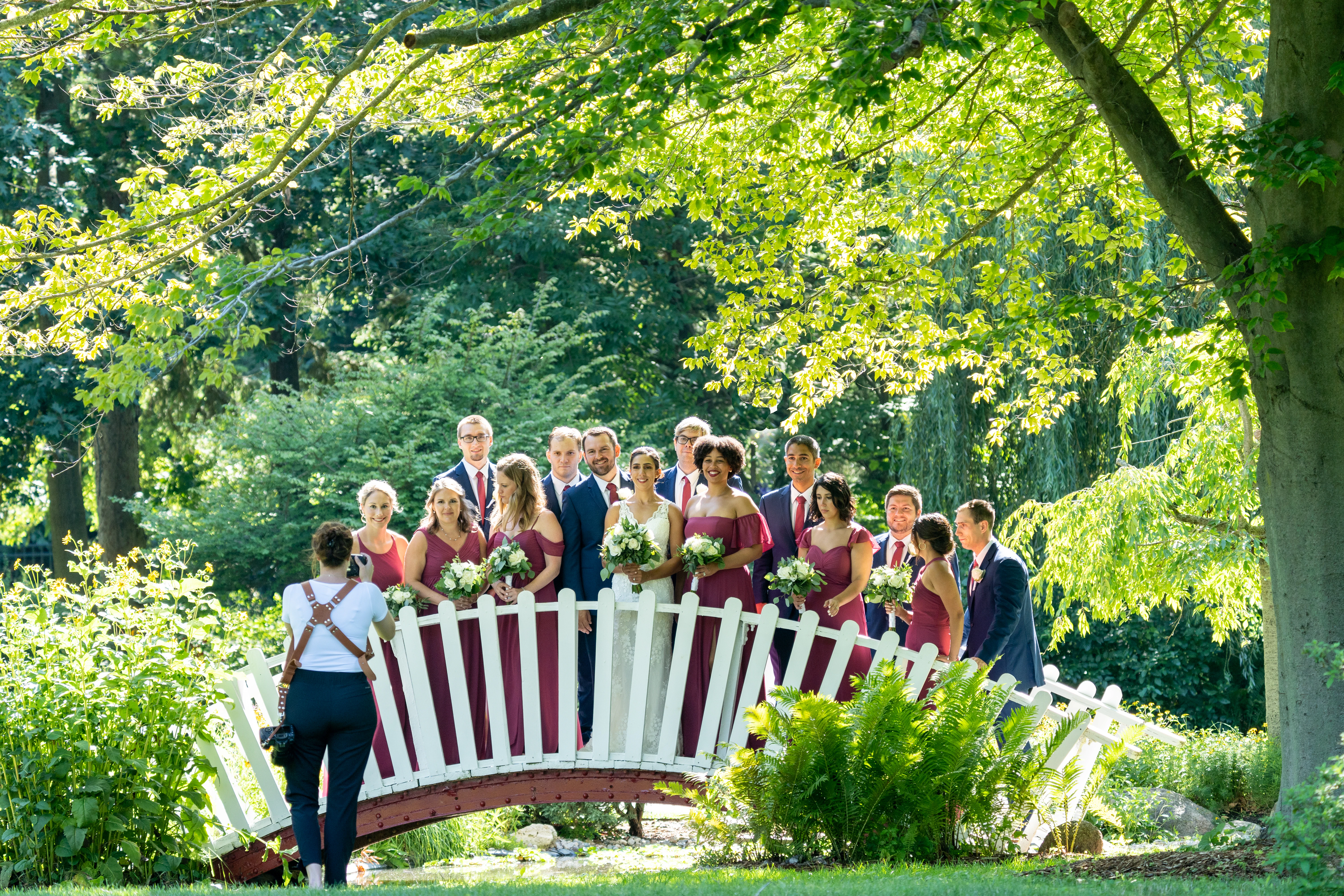
Weddings & Engagements
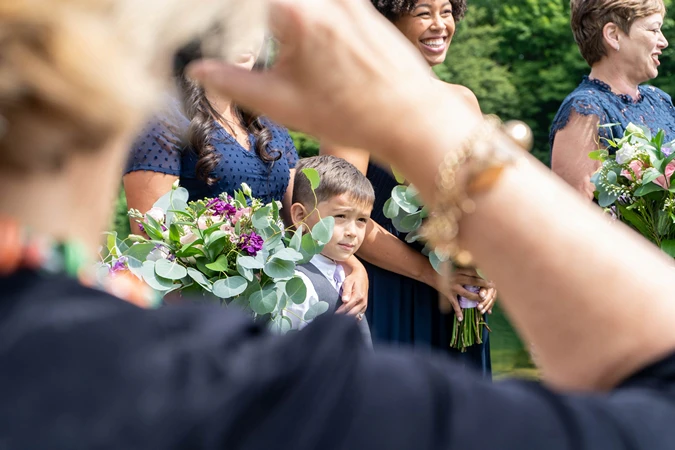
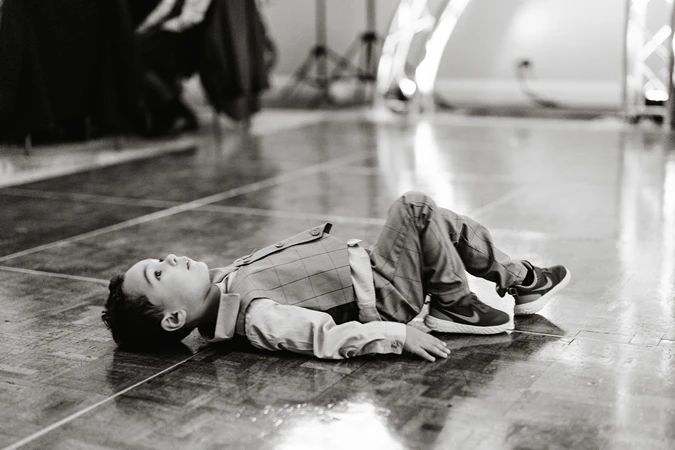
A wedding runs on a schedule, and part of my job is knowing it cold — where the light will be at five, how long the family portraits actually take, which fifteen minutes are the only ones you'll get alone together all day. That planning is what buys the freedom to stop directing. Once the structure is handled, I can spend the day watching instead of arranging, which is where the photographs you'll keep come from: your grandmother's hands during the vows, the friend crying in the third row who swore he wouldn't, the ten seconds in a hallway when the noise drops out and it's just the two of you.
Engagement sessions work the same way, and they're worth doing for a practical reason as much as a sentimental one — an hour together in front of a camera before the wedding means neither of you spends the wedding learning how to be photographed. We'll go somewhere that means something to you rather than somewhere that photographs well, walk, talk, and let it get comfortable. I shoot the whole time. The frames that work are almost never the ones where you were ready.
Corporate Events
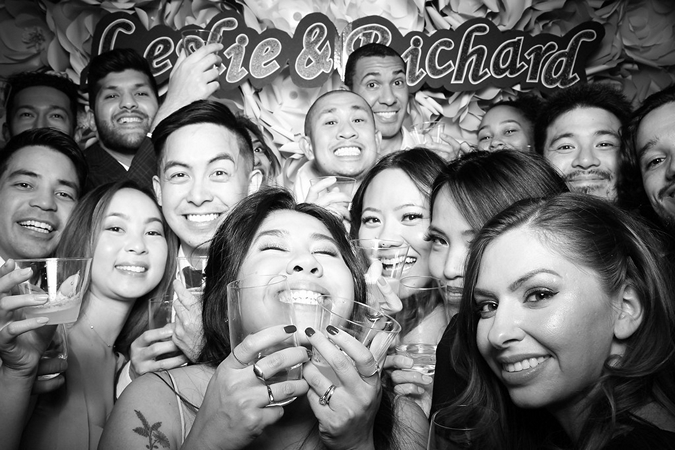
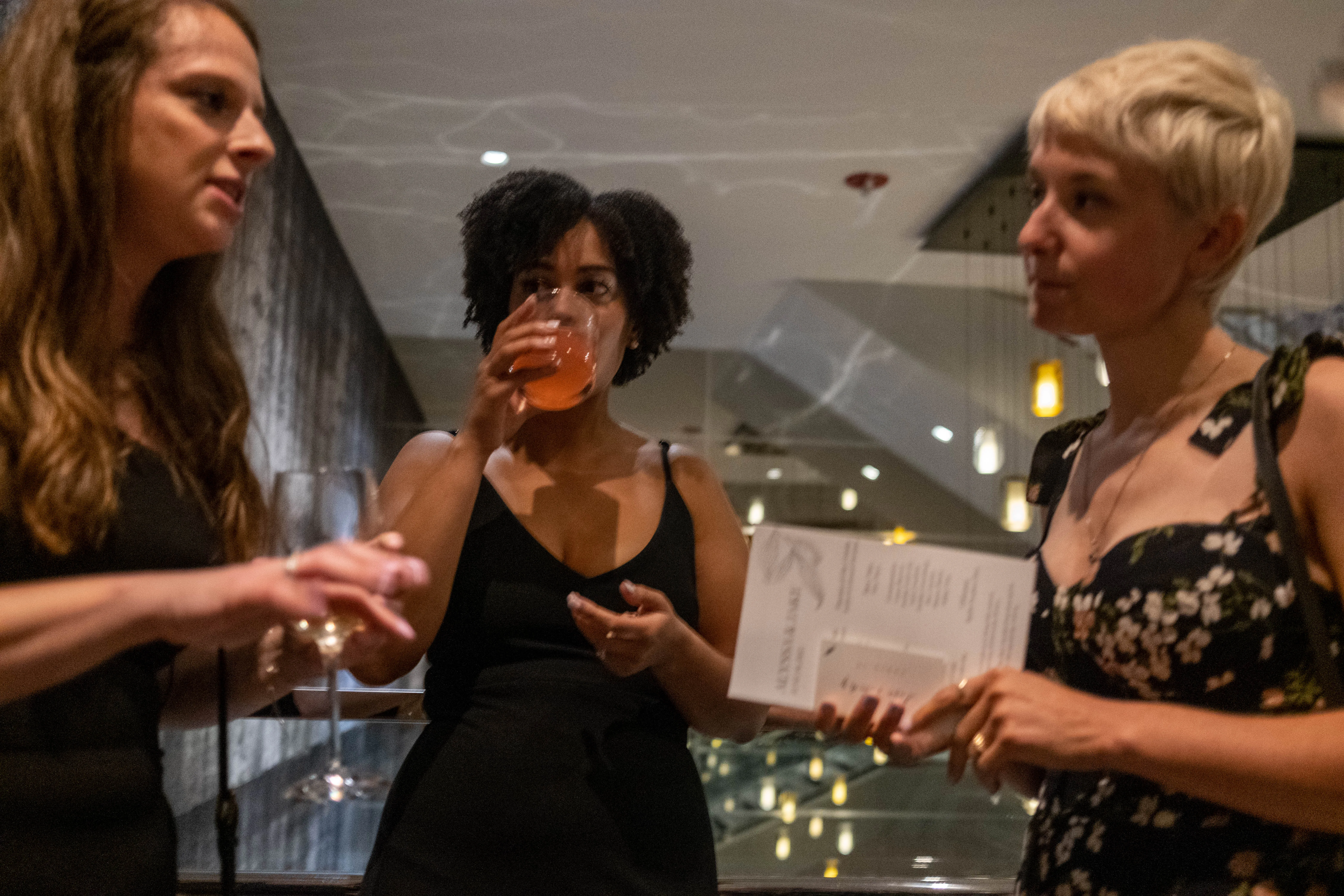
Conferences, galas, openings, fundraisers, panels, holiday parties, all-hands. The brief is usually the same underneath the format: the organization needs proof the room was full and the energy was real, and it needs it in a form the comms team can use immediately. So the coverage runs on two tracks at once — the frames that have to exist (the keynote, the ribbon, the check, the sponsor signage, the board photo) and the ones that make the recap worth reading (two people mid-laugh at a high-top, a speaker in the wings before going on, a room from the back at the moment it turned).
The working method is unobtrusive to the point of being boring. I move quietly, work on available light wherever the room allows it, and don't ask a group of adults to bunch together and hold a pose unless you've asked me to. Everything arrives organized by use rather than by time — press, social, internal, print — so nobody's scrubbing through eight hundred files at nine the next morning looking for one usable shot of the executive director.
Sporting events
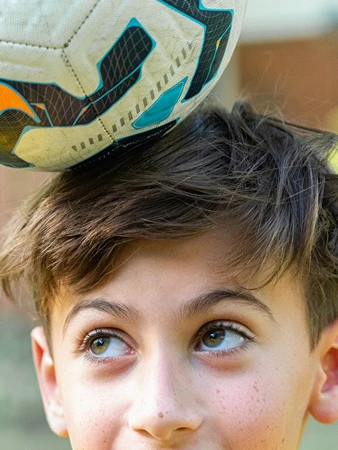
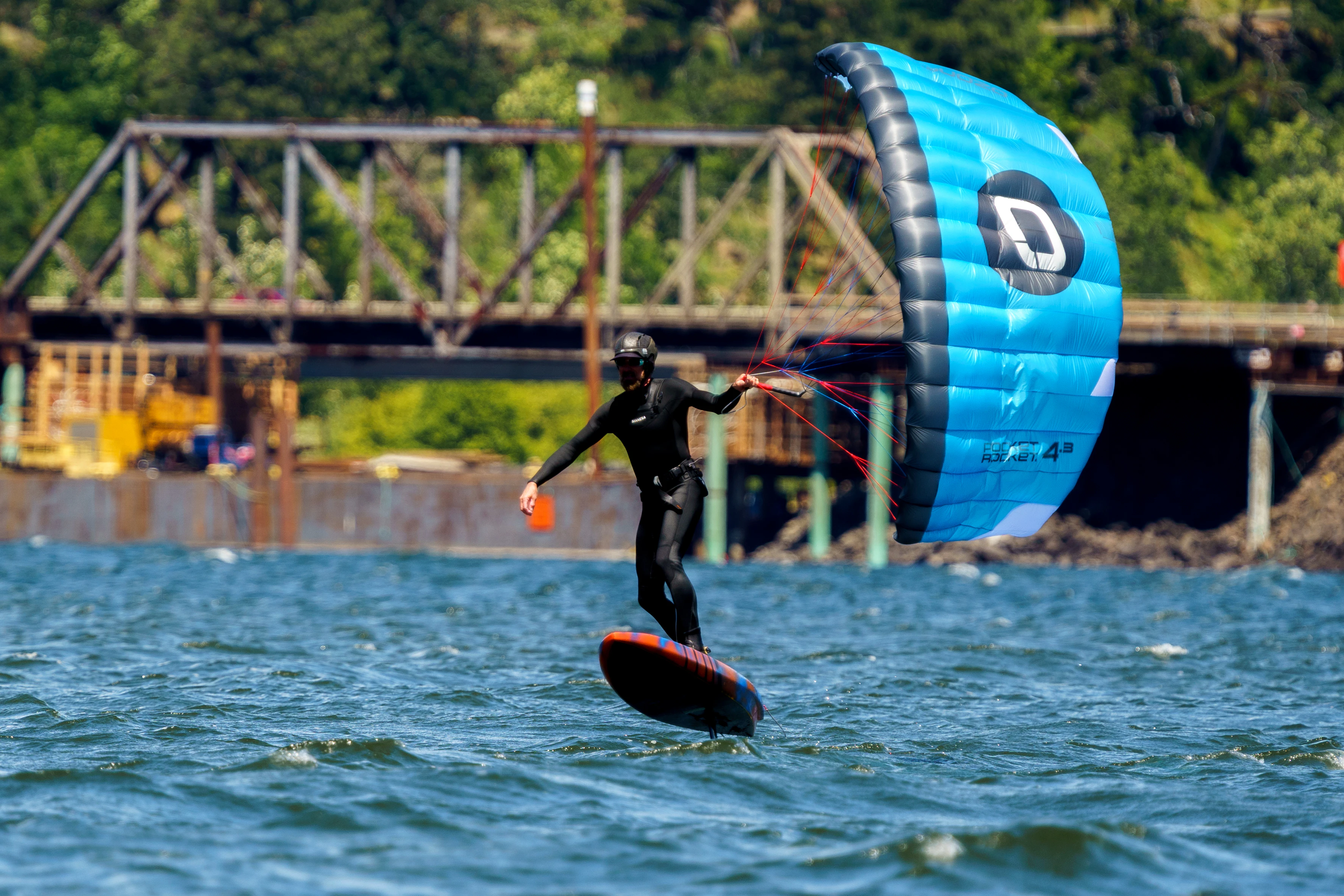
Sport is the one subject where the decisive frame lasts about a tenth of a second, and getting it has almost nothing to do with reflexes. It's knowing the game — where the play is going before it goes, which side of the pitch the light is on in the second half, that the picture is often not the goal but the two seconds after it. Club and high school teams, meets and matches, tournaments, senior nights, club and rec leagues, team and individual portraits for the program.
But the frame that ends up framed usually isn't the athletic one. It's a face on the bench with four minutes left. A coach saying something quietly that clearly landed. A parent in the stands who didn't know they were being photographed and wouldn't have posed like that in a hundred years. The joy of the game is the easy part; what's worth going after is what the game does to the people playing it and the people who came to watch.
Portraits & lifestyles
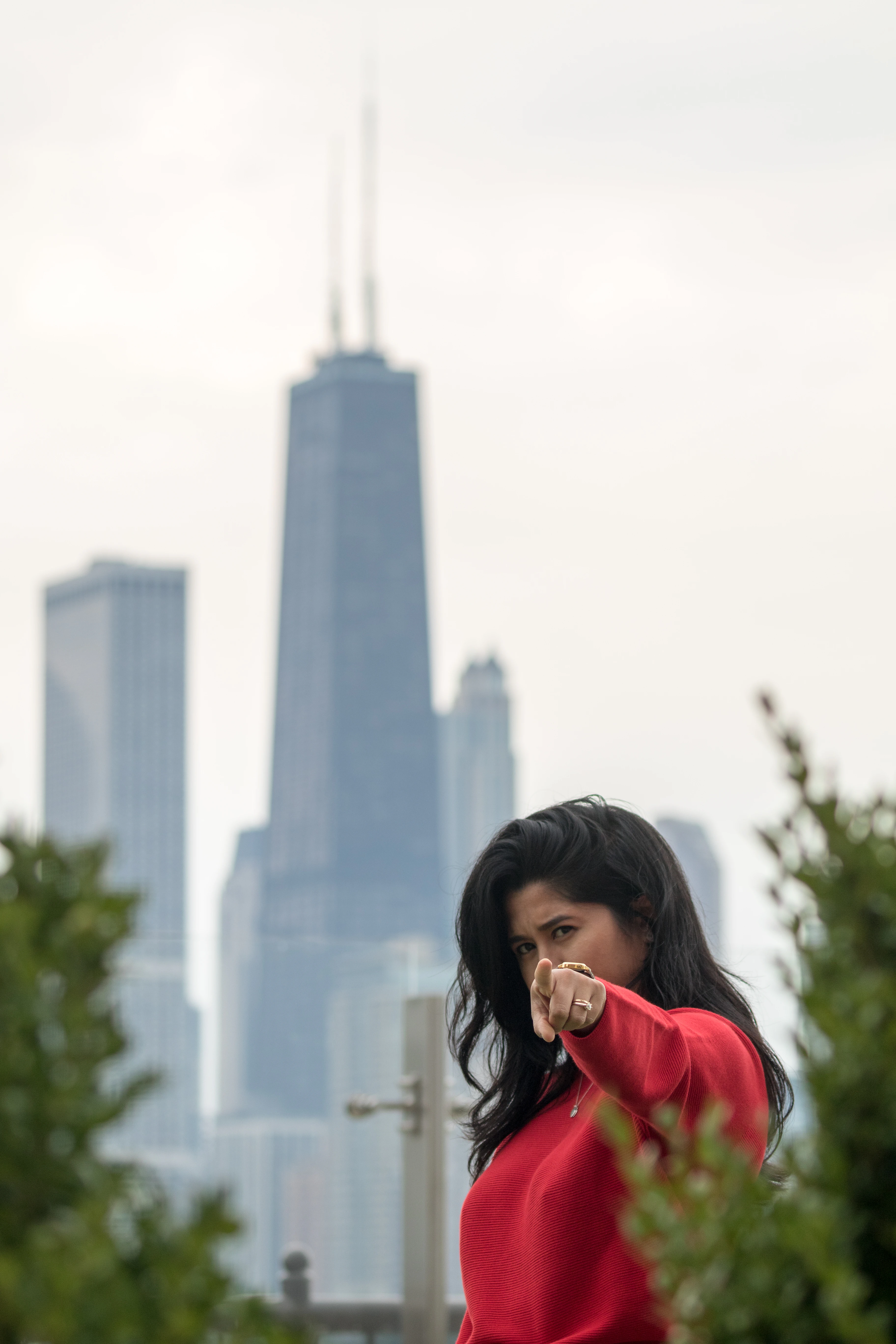
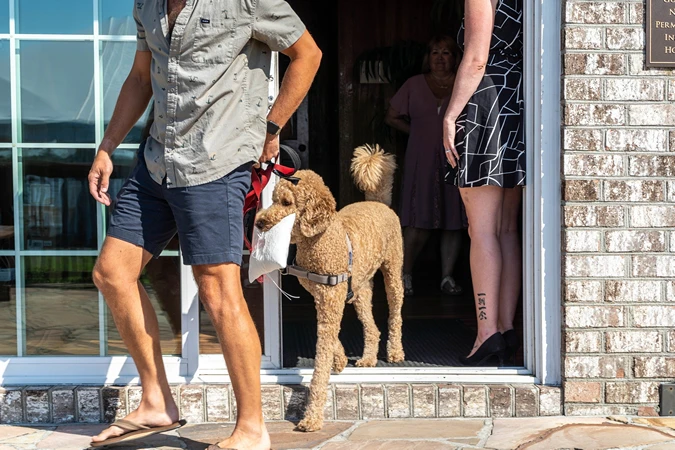
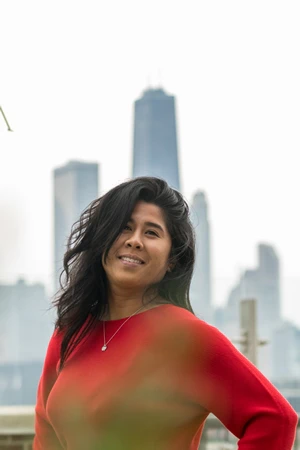
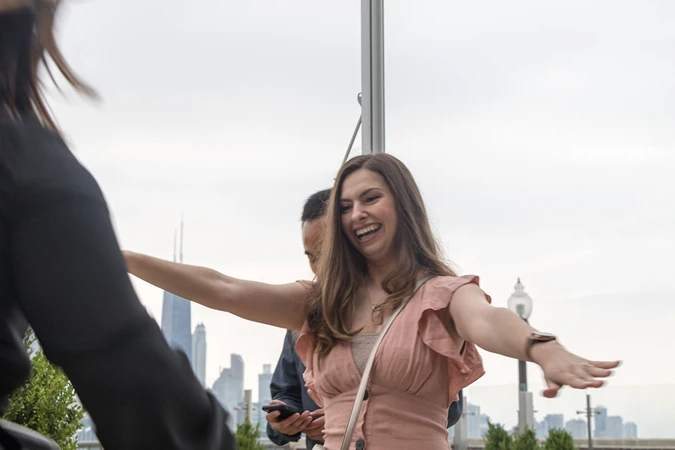
A portrait is worth more than a likeness — it should tell somebody who you are before they read a word about you. Headshots for a bio or a profile, environmental portraits somewhere you actually work, senior and graduation portraits, families, personal work, editorial. Studio, outdoors, or on location at your place, whichever suits the person rather than whichever is easiest to light.
Most people say they hate being photographed, and it's almost always a pacing problem rather than a face problem. Nobody's asked to hold a pose or produce a mood on cue. We talk for a few minutes, I shoot while that's happening, and the good frame tends to show up around minute four, once you've stopped monitoring yourself. Everything comes back cropped for where it's going — square for a profile, vertical for a phone, wide with room for type — so you're not stretching one photograph to fill four jobs six months from now.